
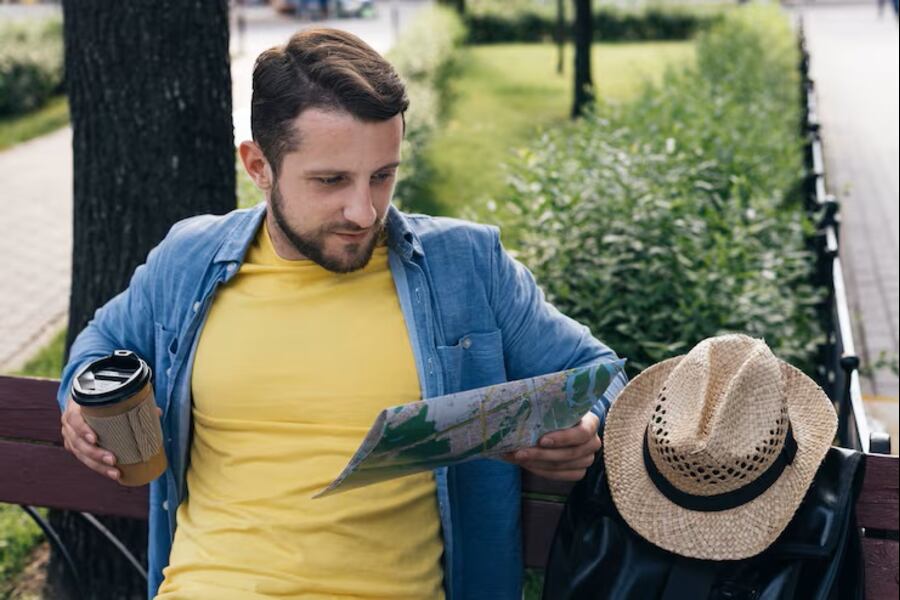
Travelers increasingly use the internet to discover things to do before and during their trips. Whether they are searching for guided city tours, outdoor adventures, cultural workshops, food experiences, or sightseeing activities, they want to compare options and make reservations without unnecessary effort.
For local tour operators and activity providers, this creates an opportunity to reach customers beyond their immediate location. Instead of relying only on walk-in visitors, hotel referrals, or social media posts, businesses can showcase their experiences through online booking platforms and travel marketplaces.
However, simply publishing an activity listing is not enough. Operators need accurate information, appealing descriptions, quality photographs, and reliable booking processes to turn online visibility into actual reservations.
1. Make Local Experiences Easier to Discover
Many travelers plan their trips around experiences rather than destinations alone. Someone visiting a coastal city might search for a boat excursion, while another traveler may be interested in a cooking class, historical walking tour, or local photography experience.
Online marketplaces help connect these travelers with businesses offering relevant activities. A well-prepared listing can introduce a small local operator to people who might never discover the business through traditional advertising.
Operators should identify the experiences that make their location special. These might include lesser-known attractions, traditional crafts, regional food, nature excursions, or guided visits to historic neighborhoods. Presenting these activities clearly helps potential customers understand what they can experience and why it is worth booking.
2. Create Listings That Answer Important Questions
Travelers often compare several activities before making a decision. If a listing leaves important details unclear, potential customers may choose a competitor that provides more complete information.
Every activity listing should explain what participants can expect. Useful details include:
- Activity description: Explain the experience, its highlights, and what makes it different.
- Duration: Clearly state how long the activity takes.
- Meeting location: Provide an exact meeting point or pickup information.
- Inclusions: Mention equipment, refreshments, transportation, or entrance fees included in the price.
- Group size: Explain whether the experience is private, small-group, or suitable for larger groups.
- Requirements: Include age restrictions, fitness expectations, accessibility details, or equipment requirements.
- Cancellation policy: Make booking conditions easy to understand.
Clear information reduces uncertainty and helps travelers choose activities that match their expectations.
3. Use High-Quality Photos to Present the Experience
Images play an important role in travel decisions. A description can explain what an activity includes, but photographs help potential customers imagine themselves participating.
For example, a food tour listing could feature authentic dishes, a local market, and guests enjoying a tasting session. An outdoor adventure provider might show the actual landscape, equipment, and participants taking part in the activity.
Operators should prioritize genuine photographs instead of relying entirely on generic stock images. Images should be clear, relevant, and representative of the real experience. Including different perspectives can also help customers understand the setting, group environment, and overall activity.
4. Expand Distribution Through Travel Marketplaces
A local operator’s own website is valuable, but it may not receive enough traffic to generate consistent bookings, particularly when the business is new. Travel marketplaces provide another way to reach people who are already searching for things to do.
Businesses can explore platforms that specialize in tours, attractions, transportation, and destination experiences. When researching ways of listing local activities online, operators should consider which marketplaces attract their target audience and whether those platforms support their activity categories and destination.
Different channels may attract different types of travelers. Some are particularly useful for international visitors, while others have stronger regional audiences or focus on specific experiences. Selecting suitable distribution partners can help businesses reach customers they would struggle to attract independently.
5. Keep Availability and Pricing Accurate
An attractive listing can generate interest, but outdated availability or incorrect pricing can damage the booking experience. If a traveler attempts to reserve an activity only to discover that the advertised time slot is unavailable, the business may lose that customer.
Operators should regularly update schedules, prices, seasonal offers, and capacity limits. This becomes especially important when the same activity is sold through several channels.
Booking management software can help centralize reservations and synchronize availability across connected sales channels. Depending on the system and integrations, a booking made through one channel can automatically update the remaining capacity elsewhere. This reduces the risk of double bookings and limits manual administrative work.
6. Build Trust Through Reviews and Customer Feedback
Travelers often look at reviews before booking an unfamiliar experience. Feedback from previous customers can provide reassurance about the guide, organization, safety, communication, and overall quality.
Operators should encourage satisfied guests to share honest feedback after completing an activity. They should also respond professionally to negative reviews rather than ignoring them. A thoughtful response can demonstrate that the business takes customer concerns seriously and is willing to improve.
Reviews can also reveal practical opportunities for improvement. If several guests mention unclear meeting instructions, for example, the operator can update the listing and confirmation message to make arrival easier.
7. Promote Activities Through Multiple Channels
Online marketplaces should form part of a broader marketing strategy rather than becoming the only source of bookings. Operators can also use their websites, social media accounts, email campaigns, and partnerships with local hotels or travel agencies.
Social media is particularly useful for visual experiences. Short videos showing a cooking demonstration, guided walk, scenic boat ride, or outdoor activity can capture attention and direct interested viewers to a booking page.
A business website can provide more detailed information about the company, its guides, and its complete range of experiences. Adding a direct booking option also gives returning customers another convenient way to make reservations.
8. Monitor Performance and Improve Listings
Publishing activities online should be treated as an ongoing process. Operators need to understand which experiences attract attention, which listings generate reservations, and where potential customers leave before completing a booking.
Useful performance indicators include listing views, booking conversion rates, cancellations, customer reviews, and revenue by activity or sales channel. Comparing these figures over time can help businesses identify which experiences deserve more promotion.
If a listing receives many views but few bookings, the operator may need to review its pricing, photographs, description, or cancellation policy. If one activity consistently performs well, creating related packages or additional time slots may help increase revenue.
Conclusion
Online activity listings give local tour operators an opportunity to reach travelers who are actively searching for experiences. By providing complete information, using authentic photographs, maintaining accurate availability, and choosing suitable distribution channels, businesses can make their offerings easier to discover and book.
The most effective approach combines strong listings with reliable booking management and consistent customer service. When these elements work together, local experiences can attract a wider audience while giving travelers a simpler way to discover what makes each destination unique.